
What’s In This Guide
Concrete floors show age through cracks, pits, worn coatings, low spots, and uneven transitions. A localized defect may need a patch, while widespread movement may justify partial or complete slab replacement. Early diagnosis can help protect adjacent finishes, equipment, and inventory while minimizing disruptions to normal building operations.
For property owners and managers in Carmel, NY, the decision depends on the cause of the damage, the extent of the affected area, and how the space is used. Concrete floor installation contractors should evaluate the slab before recommending repair, resurfacing, or replacement.
Quick Facts
- Small, stable cracks and isolated surface defects usually qualify for patching.
- Widespread wear, shallow pitting, and cosmetic damage may call for resurfacing.
- Uneven slabs require diagnosis because settlement, drainage problems, or subgrade movement may be involved.
- Replacement becomes more practical when damage is structural, extensive, or recurring, or when the existing slab is unsuitable for the space’s expected loads.
- A professional inspection helps define the safest scope before coatings, finishes, or new flooring are installed.
What Concrete Floor Damage Are You Seeing?
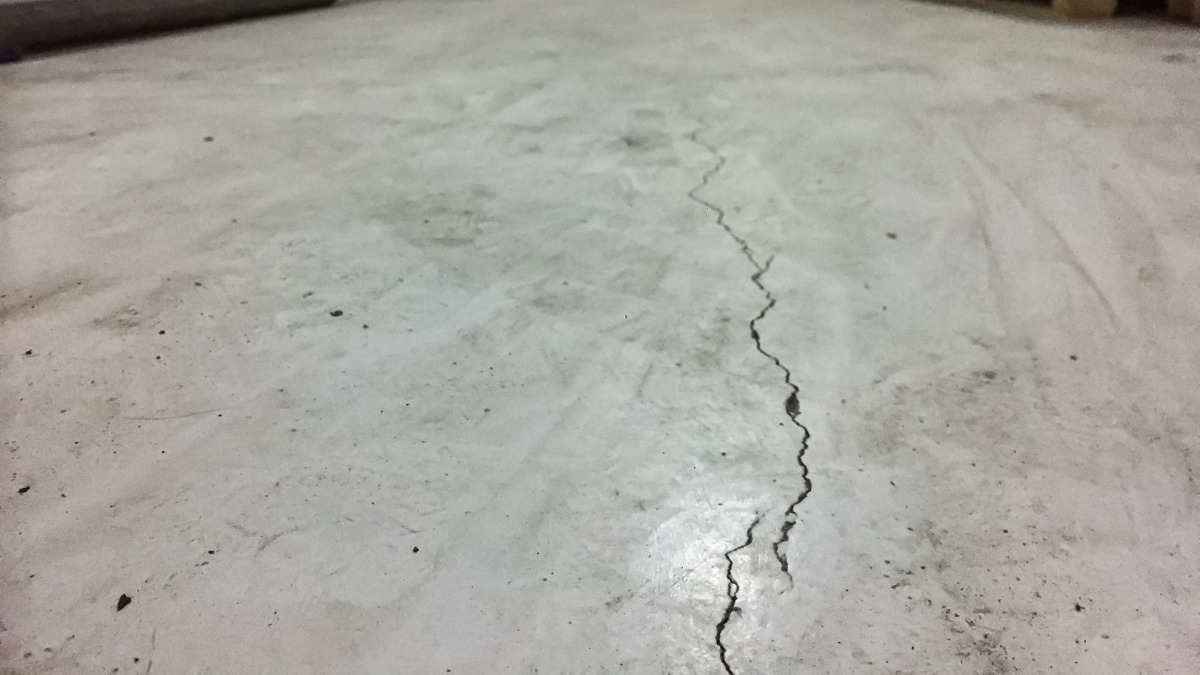
Separate surface deterioration from movement within or beneath the slab. Surface wear can affect appearance, ease of cleaning, and coating adhesion. Structural or subgrade problems can alter elevation and stability.
Common interior and commercial slab concerns include hairline cracks, wider recurring cracks, pitting, scaling, dusting, worn finishes, depressions, uneven transitions, loose concrete, and damage around drains, columns, or equipment pads.
In workplaces, uneven or damaged floors can also become a safety issue. OSHA walking-working surface rules require employers to inspect these surfaces, maintain them in a safe condition, and correct or repair hazardous conditions before employees use them. If immediate correction or repair is not possible, the hazard must be guarded until it is corrected or repaired.
When Patching Is Usually Appropriate
Patching targets a specific defect. It may be suitable for limited damage when the surrounding concrete remains sound and the crack or hole is not actively moving.
Concrete floor crack repair usually involves cleaning the area, removing weak material, preparing edges, and installing a compatible repair product. The method should match the crack dimensions, moisture conditions, traffic demands, and intended finish.
Patching may work for small spalls, isolated impact damage, minor holes, and stable cracks. It may also be appropriate for basement floor crack repair when the slab remains level and any underlying moisture or drainage issue has been addressed. Filling a crack without correcting its cause can lead to repeat failure.
When Resurfacing Makes More Sense
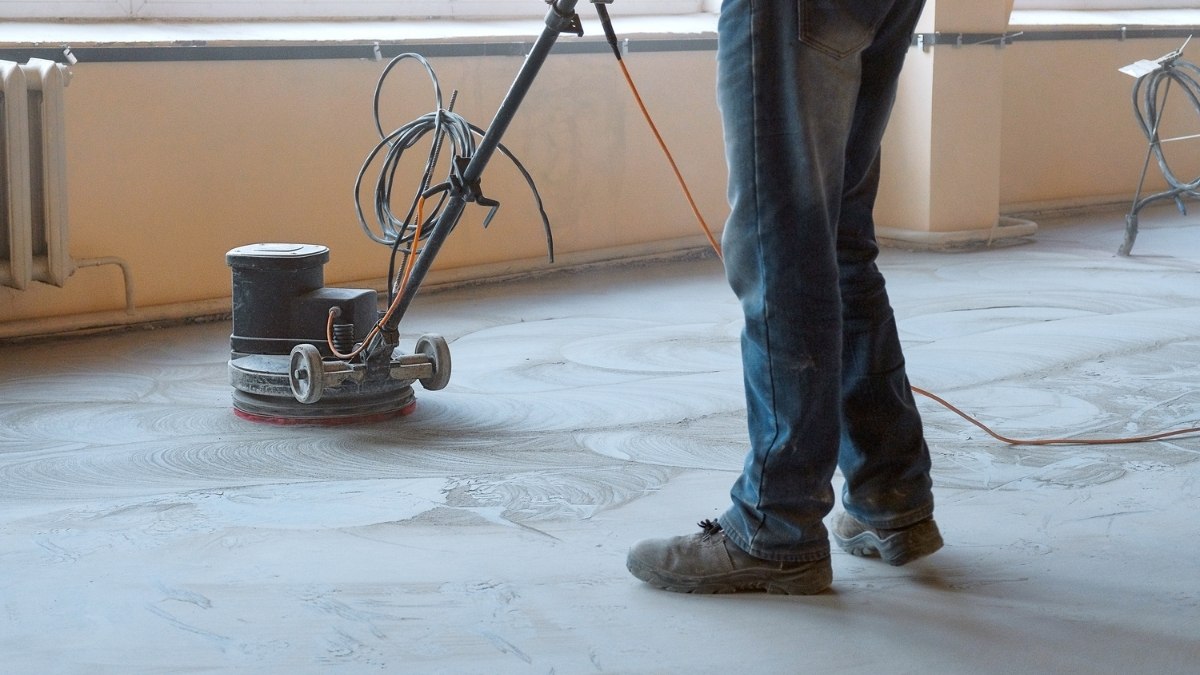
Resurfacing adds a bonded layer over prepared concrete. It can address widespread shallow wear, light pitting, discoloration, or numerous small imperfections while preserving the existing slab.
The base must remain stable. Contractors first remove coatings, contaminants, dust, laitance, and unsound concrete. An overlay cannot perform reliably when bonded to weak material.
Concrete garage floor repair often combines crack treatment with resurfacing when the floor has broad surface wear but no major settlement.
Resurfacing does not correct deep structural cracking, ongoing settlement, severe heaving, or major elevation differences. Applying an overlay to moving concrete may only conceal the problem temporarily.
When Replacement May Be the Better Decision
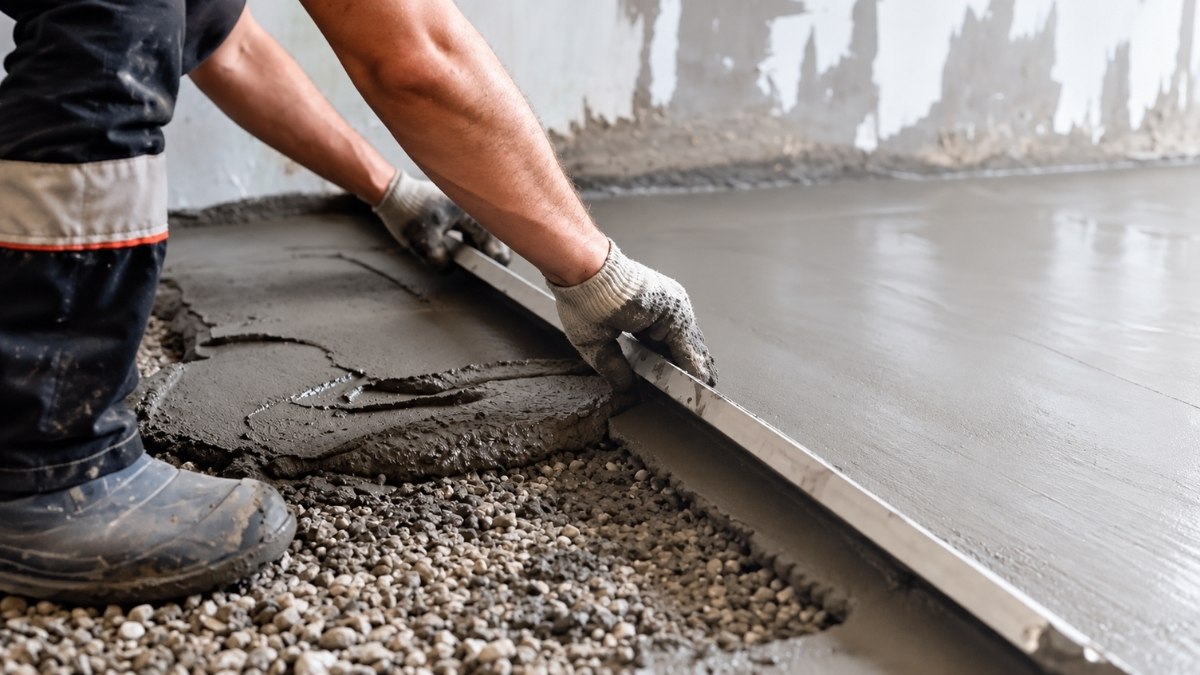
Replacement is usually the better option when repairs would leave the concrete structurally unreliable or prone to recurring problems. Depending on the extent of the damage, the scope may involve one section, several panels, or the entire floor.
Consider replacement when:
- Cracks are wide, deep, displaced, or continue to reopen.
- Large areas sound hollow, break apart, or show significant deterioration.
- The slab has settled, heaved, or become uneven.
- Drainage slopes are incorrect and contribute to water problems.
- Previous repairs have failed.
- New equipment or loads require a different slab design.
- Moisture or contamination prevents the planned flooring system from bonding properly.
Replacing the slab also creates an opportunity to inspect the base, correct subgrade or drainage issues, and install concrete designed for the space’s expected use.
Because commercial replacement involves demolition, dust control, access restrictions, scheduling, and adequate curing time, it requires coordinated planning. The American Concrete Institute notes that successful repair starts with evaluating the existing condition and selecting a method that addresses the actual cause of deterioration.
READ MORE: How to Choose Non-Slip Concrete Coating That Lasts 10+ Years
How to Decide Between Repair and Replacement
1. Document the damage.
Mark cracks, low areas, loose concrete, failed coatings, and changes in elevation. Note whether the condition is expanding, recurring, or seasonal.
2. Identify the likely cause.
Consider moisture problems, inadequate drainage, impact damage, chemical exposure, freeze-thaw conditions near doors, heavy loads, poor preparation, or subgrade movement.
3. Test the surrounding slab.
Contractors may sound the surface, measure elevation differences, check moisture conditions, or remove small areas to evaluate concrete quality.
4. Match the solution to the use.
A basement, showroom, warehouse aisle, office, or garage may have different requirements for flatness, appearance, traffic loads, hygiene, and allowable downtime.
5. Compare total project scope.
Include preparation, crack treatment, coatings, transitions, access, equipment relocation, and the risk of recurring damage. A low-cost patch is not economical when it repeatedly fails.
Frequently Asked Questions
Can every concrete floor crack be repaired?
No. Stable, nonstructural cracks are often repairable, but moving, displaced, or moisture-related cracks require diagnosis first. The method depends on the cause, width, depth, traffic conditions, and intended floor finish.
Can resurfacing fix an uneven concrete floor?
Resurfacing can correct limited surface irregularities, depending on the product and required depth. It cannot reliably solve significant settlement, heaving, unstable subgrade conditions, or major drainage errors.
Should a cracked basement floor be replaced?
Not automatically. Basement floor crack repair may be sufficient for isolated, stable cracking. Replacement may be appropriate when cracks accompany settlement, widespread deterioration, persistent moisture, drainage problems, or major elevation changes.
Who should evaluate a damaged commercial slab?
Start with a qualified concrete floor installation contractor. When damage may affect structural integrity, slab support, or broader building performance, the contractor may recommend a review by a qualified engineer.
How do I know if concrete floor damage is structural?
Warning signs may include displaced cracks, significant settlement, heaving, recurring movement, or widespread deterioration. A qualified contractor can assess the slab and recommend engineering review if structural concerns are suspected.
Request a Concrete Floor Assessment in Carmel, NY
The visible damage is only one part of the decision. Carmel Flooring Company can evaluate your interior concrete floor, discuss repair and replacement options, and define a practical scope for your property.
Request a free estimate to discuss your project in Carmel, NY.